powered vs passive speakers for turntable uk
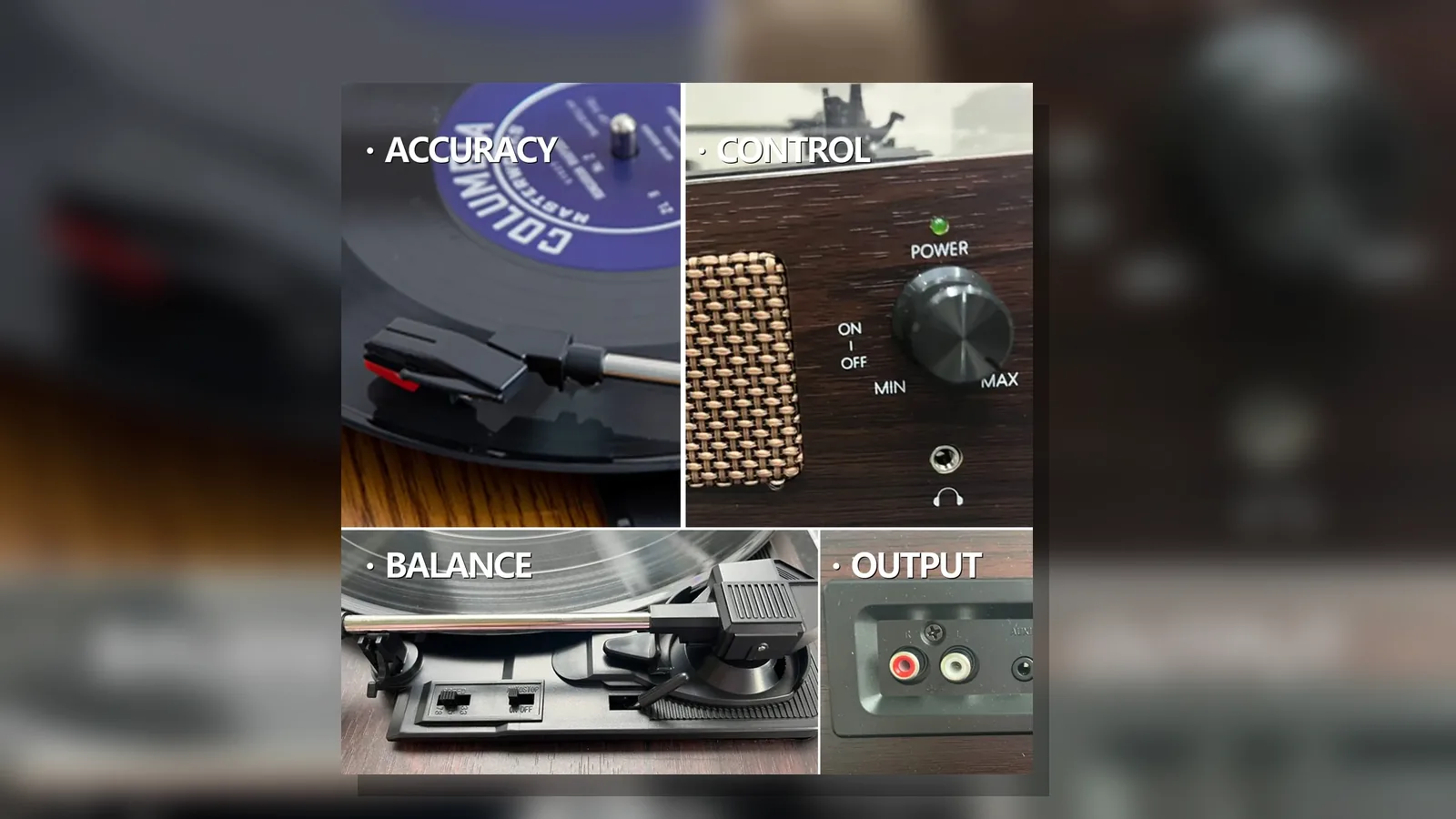
For most UK flats, the powered vs passive speakers for turntable uk choice is really a lifestyle call: powered (active) speakers keep the path simple when your deck already has a suitable line or phono-ready route, while a passive stack suits people who want a clearer upgrade path and will accept a separate amplifier or receiver.
Direct answer by lifestyle: simplicity vs upgrade path
If you want fewer boxes and a quicker first spin, active speakers for turntable UK setups usually win because amplification sits inside the speakers. If you enjoy building a system piece by piece, passive speakers plus an amp give you more room to change one part later without replacing everything.
Neither path is automatically “better” for every room. Match the job—casual evenings in a flat versus a longer hi-fi journey—before you buy more cable and kit.
Signal-chain prerequisites (line output / phono stage)
A vinyl chain runs turntable → phono preamp → amplifier → speakers. The phono stage may live in the deck, in the amp, or in a separate box. Active speakers include amplification; passive speakers need amplifier (or receiver) support before they will play.
Before you connect anything, confirm whether your turntable presents a phono-level or line-level output. Active speakers often suit beginners with a line-output turntable; passive speakers still need that amp stage; mismatching phono and line is a common setup mistake.
- Phono output needs a phono stage before a normal line input.
- Line output can feed active speakers or an amp’s line input when levels are already correct.
- Built-in speakers on some all-in-one players shorten the chain for plug-and-play listening.
Comparison table: boxes, cables, room size, upgrade flexibility
Use this overview to weigh complexity against flexibility. It does not rank named third-party speaker models.
| Factor | Powered / active speakers | Passive speakers |
|---|---|---|
| Boxes | Fewer—amp is in the speakers | More—deck, phono path, amp, then speakers |
| Cables | Usually simpler line or speaker-level links once levels match | Speaker cable plus amp interconnects |
| Room size | Fine for many flats when levels are matched; no watt or “fills the room” guarantee here | Flexible if you later change amp or speakers, still without invented power claims |
| Upgrade flexibility | Swap speakers as a powered pair; less modular mid-chain | Change amp or speakers independently over time |
When built-in player speakers are enough for casual UK listening
Built-in stereo speakers on a plug-and-play player can be enough when you want background or everyday listening without a multi-box rack. UK buyers who prefer a vintage-style all-in-one with Bluetooth as a simpler alternative to separate hi-fi boxes often start here.
That route fits small-to-moderate rooms and light daily use. It is not a promise of studio monitoring, measured output, or large-space coverage—only a practical option when convenience is the priority.
Who should not start with a full passive stack
Skip a full passive stack at the start if you:
- Want music on quickly with minimal setup decisions.
- Do not yet know whether you will keep vinyl as a long hobby.
- Lack space for an amp, extra interconnects, and speaker placement.
- Are still learning phono versus line and do not want to debug the chain on day one.
People hunting the best speakers for vinyl beginners UK angle should treat “best” as fit-for-purpose: start where the signal chain is clear, then upgrade only when the listening habit justifies more boxes.
When an all-in-one player is enough
If your brief is simply play records without assembling a separate amp and speaker stack, an all-in-one vintage-style player with built-in speakers can be the lower-friction path. Review the Turnio vintage Bluetooth record player details when plug-and-play is the job you actually need done.
FAQ
Do passive speakers always need an amplifier?
Yes. Passive speakers need a separate amplifier or receiver; active speakers include amplification.
Can beginners use active speakers with a turntable?
Often yes, when the turntable’s output type (line versus phono) is matched correctly before you connect.
Where does the phono preamp sit?
In the deck, in the amplifier, or as a separate box—confirm which stage you already have so you do not double or skip it.
When are built-in player speakers enough?
For casual UK listening when you want fewer boxes and a simpler alternative to a multi-component hi-fi chain.