Do I Need a Phono Preamp UK? A Simple Line vs Phono Check
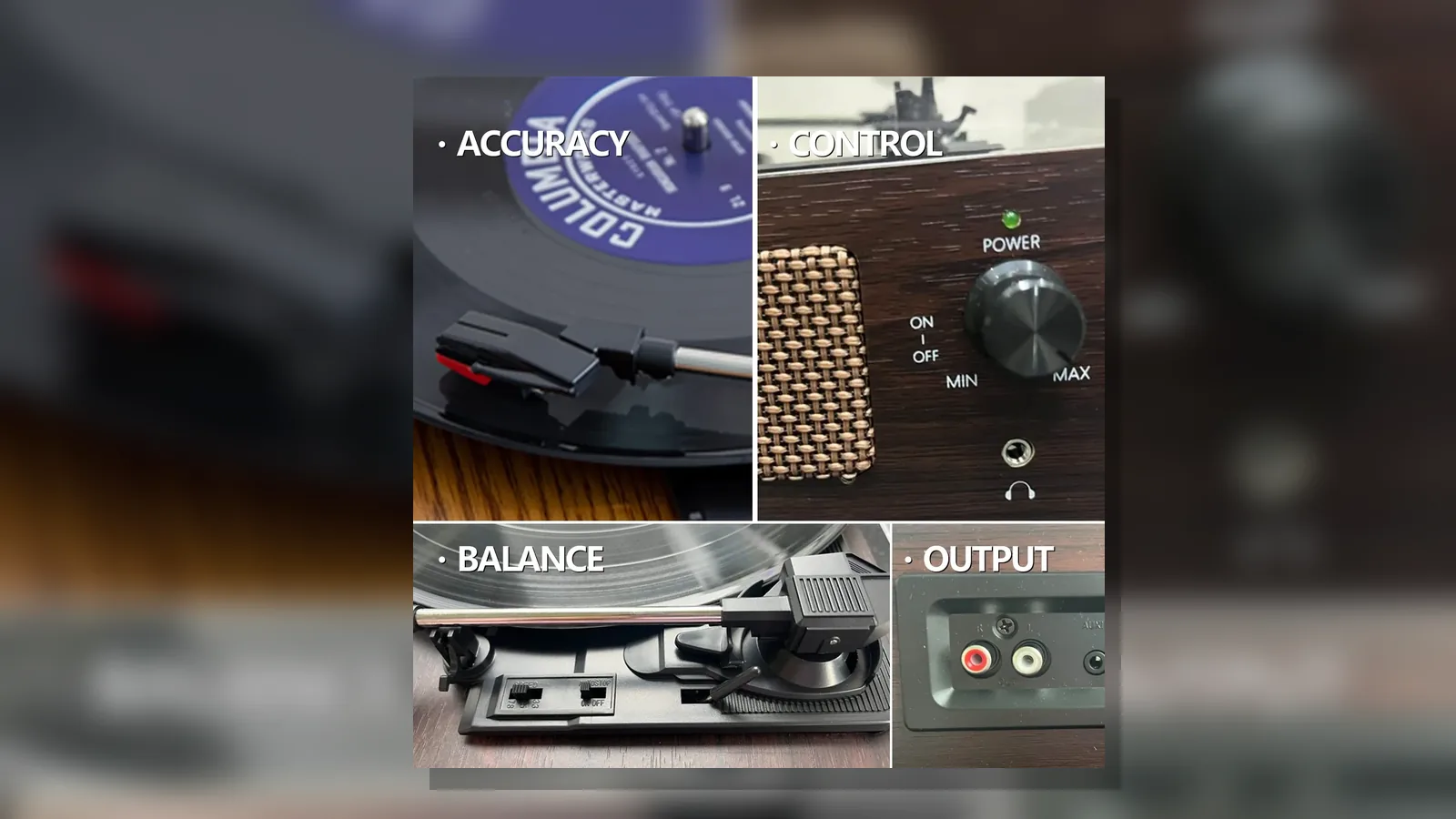
If you are asking do i need a phono preamp uk, the short answer is that every vinyl signal chain needs RIAA equalisation and phono gain somewhere—but you often do not need to buy a separate box, because that stage may already sit in your turntable, amplifier, or active speaker path.
Direct answer: every vinyl chain needs RIAA/phono gain somewhere
A phono preamp (also called a phono stage) does two jobs: it boosts the very weak cartridge signal and applies RIAA equalisation so the record sounds balanced rather than thin and quiet. Without that stage in the chain, a turntable’s raw cartridge output will not drive a normal line-level input correctly. With it duplicated, you can get harsh, distorted sound. So the UK question is less “do I always buy one?” and more “where is mine already?”
Authoritative explainers note that the preamp may live in the turntable, in the amplifier, or as a standalone unit—and that feeding a line-level turntable output into a phono input (double preamping) causes distortion. See Audio Gear UK’s guide to whether you need a phono preamp.
Three places a phono stage can already live (deck, amp, external box)
A typical vinyl path is turntable → phono preamp → amplifier → speakers. The preamp can already be:
- In the deck — many modern turntables include a switchable built-in phono stage and offer a line-level output.
- In the amplifier (or receiver) — look for a labelled “Phono” input; that socket usually includes the RIAA/phono gain stage.
- In a separate external box — useful when neither the deck nor the amp provides one, or when you want a dedicated stage between a pure phono-out deck and a line-only amp.
Active speakers include their own amplification; passive speakers need a separate amp. The same “where is the phono stage?” check still applies before the amp or active speakers. A clear overview of this chain is in the UK vinyl setup guide from turntable to speakers.
UK decision table: when you can skip buying a separate box
Use this practical line vs phono turntable check before shopping for a phono stage UK add-on:
| What you have | What to use | Separate phono box? |
|---|---|---|
| Turntable with line out (or built-in preamp switched to Line) into an amp’s Aux/Line/CD input | Line input | Usually no |
| Turntable with phono-only out into an amp with a Phono input | Phono input | Usually no |
| Turntable with phono-only out into an amp or active speakers with line-only inputs | External phono stage between deck and amp/speakers | Yes |
| Turntable line out into an amp’s Phono input | Wrong match — move to Line/Aux | Do not add another stage; fix the input first |
| All-in-one suitcase-style player used via its own built-in speakers | Onboard path as designed | Usually not for day-to-day listening on those speakers |
Always confirm labels on the live product page and on the unit itself (Line/Phono switch, RCA markings, and amp input names). Do not assume every RCA pair is the same.
Common mistakes: double preamping vs no preamp
Double preamping happens when a line-level turntable output (or a deck with its built-in preamp already on) is plugged into a Phono input that applies RIAA/gain again. That stack can sound loud, bright, and distorted. The fix is usually to switch the deck to Phono (if it has a switch) or move the cable to a Line/Aux input—not to buy yet another stage.
No preamp is the opposite problem: a pure phono cartridge output into a line-only input with no RIAA/gain anywhere. Playback will sound very quiet and tonally wrong. Then a built in phono preamp (deck or amp) or a separate stage is required somewhere in the chain.
Rule of thumb: count how many times RIAA/phono gain is applied. You want one clear stage—not zero, and not two.
Who should not buy an external stage yet
Hold off on a separate phono box if any of these apply:
- Your amplifier already has a working Phono input and your deck outputs a phono-level signal.
- Your turntable already has a built-in preamp set to Line and you are using line-level inputs.
- You mainly listen through an all-in-one player’s built-in speakers and have not confirmed a need for an external amp path.
- You have not checked the Line/Phono labelling on the deck and the input names on the amp—guesswork creates double-preamp or no-preamp mistakes.
Avoid assuming third-party amps or speakers will “just work” without matching output type to input type. Compatibility depends on that match, not on brand names alone.
Plug-and-play players with built-in speakers
If you want a simple plug-and-play route rather than building a separates chain, start by reviewing what the live product page actually claims. The current product details for the Turnio vintage Bluetooth record player list a walnut wood-grain cabinet with built-in 5 W speakers, Bluetooth 5.4 input, RCA line out, a headphone socket, and speeds of 33, 45 and 78. For everyday listening on built-in speakers, an external phono stage is often unnecessary until you deliberately move to an external amp or active speakers and have confirmed whether that RCA path is line or phono.
When you are ready to compare features on the listing itself, open the Turnio vintage Bluetooth record player detail page and check the output labelling before adding any extra boxes.
FAQ
Do I need a phono preamp in the UK if my amp has a Phono socket?
Usually not a separate one: that Phono input typically provides the RIAA/phono gain. Use it with a phono-level turntable output, and avoid also enabling a built-in deck preamp into the same Phono input.
What is the difference between line and phono on a turntable?
Phono is the low-level, equalised-cartridge signal that still needs a phono stage. Line is a higher-level signal after a built-in (or external) preamp has already done that job. Matching line to Line/Aux and phono to Phono prevents the common distortion or “too quiet” mistakes.
Does this record player with built-in speakers need an external phono stage?
Often not for listening through those speakers, because the player’s onboard path is meant to work as a self-contained setup. An external stage becomes a consideration only if you connect to other equipment and the live page plus in-hand labels show you still need RIAA/gain outside the deck.
Can a phono stage guarantee better sound?
No honest guide should promise a sound-quality upgrade from simply adding a preamp. The first job is correct signal matching—one proper RIAA/phono gain stage in the chain—not chasing unverified performance claims.